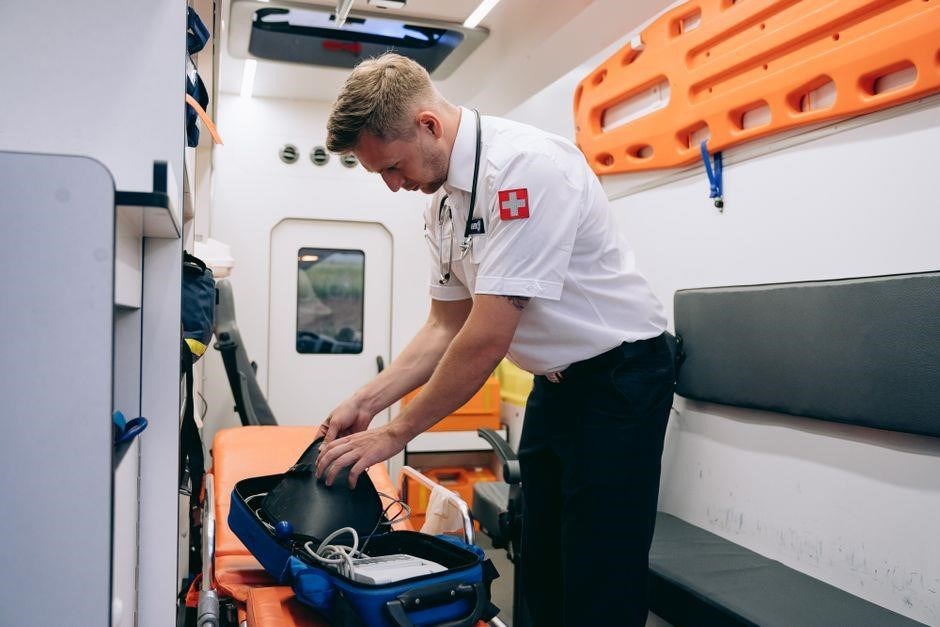
Manual handling training equips healthcare workers with skills to lift, transfer, and reposition patients safely, reducing injury risk. The 45‑minute online modules cover ergonomic principles, patient‑centric techniques, and interdisciplinary teamwork, ensuring compliance with WHS standards. continuous improvement.!
Legal and Regulatory Framework
In the United Kingdom, the Health and Safety Executive (HSE) requires all healthcare organisations to implement a manual handling programme under the Manual Handling Operations Regulations 1992 (MHOR). The MHOR mandates risk assessments, adequate training, and competence in safe patient handling techniques. In Australia, the Work Health and Safety Act 2011 (Cth) obligates hospitals to adopt the HLTWHS005 qualification or equivalent, delivering essential knowledge and practical competencies for safe patient transfer. The Australian Standard AS 1428.1‑2018 prescribes ergonomic design and safe lifting practices for clinical settings. In Ireland, the Workplace Safety and Health Act 2001, together with the Manual Handling Regulations 1992, requires training that meets the Irish Manual Handling (IMH) framework, aligning with the EU Directive 2001/45/EC on worker safety. The EU Directive 2001/45/EC obliges member states to adopt a national strategy for manual handling, ensuring training programmes incorporate occupational health, physical therapy, and psychosocial components. In Italy, Legislative Decree 81/2008 (Legge 81/2008) mandates that all healthcare workers receive at least 6 hours of instruction, including theoretical and practical sessions. The Italian Ministry of Health’s guidelines reference the European Standard EN 13814:2015, specifying mechanical aids and safe lifting techniques. Across the globe, the International Labour Organization (ILO) Convention No. 157 on Occupational Safety and Health at Work (1985) underscores the importance of training and protective measures for manual handling tasks. The European Agency for Safety and Health at Work (EU-OSHA) publishes the Manual Handling Handbook, serving as a reference for national regulations and best practices. In the United States, OSHA Standard 29 CFR 1910.242 requires employers to provide training on safe patient handling, including mechanical lifts and proper body mechanics. The National Institute for Occupational Safety and Health (NIOSH) recommends a 6‑hour training model that integrates occupational health, biomechanics, and psychosocial risk mitigation, mirroring the structure used in the Naples, Italy study. Compliance with these regulations is monitored through periodic audits, incident reporting, and certification of staff. Non‑compliance can result in fines, legal liability, and increased risk of workplace injury claims. Therefore, a comprehensive, legally compliant manual handling training programme is essential for safeguarding the health of both patients and staff. Ok
Common Manual Handling Hazards in Healthcare Settings
Manual handling in hospitals, clinics, and aged‑care facilities exposes staff to a spectrum of physical and environmental risks. The most frequent hazards arise from patient‑related factors such as sudden shifts in weight, uncooperative or agitated behaviour, and the presence of medical equipment that restricts movement. Musculoskeletal disorders (MSDs) dominate injury statistics, with back strain, shoulder impingement, and wrist‑elbow pain reported in 70–80% of workers who perform repeated transfers. Repetitive motions, awkward postures, and prolonged static holds amplify these risks. Environmental hazards include cluttered walkways, wet or uneven floors, and inadequate lighting, which increase the likelihood of trips, slips, and falls. Mechanical aids that are poorly maintained or incorrectly used can create new dangers, such as lift‑related accidents or equipment failure during a transfer. Psychological stressors, such as time pressure, shift work, and emotional strain from caring for critically ill patients, further compromise safe handling practices. The combination of physical fatigue and cognitive overload often leads to error, resulting in patient injury or staff injury. In addition, the use of restraints, the presence of infectious diseases, and the need to operate in confined spaces add layers of complexity. Training that addresses these hazards must cover risk identification, proper body mechanics, teamwork, and the use of assistive devices, ensuring that staff can adapt to dynamic clinical environments while protecting themselves and their patients. Furthermore, the integration of electronic health records and the need to navigate between multiple devices can divert attention, leading to missteps. Seasonal variations, such as increased patient load during flu season, heighten the frequency of manual handling tasks, thereby escalating cumulative exposure. Cultural factors, including hierarchical communication patterns, may discourage junior staff from voicing concerns about unsafe practices, perpetuating hazardous conditions. Finally, the rapid evolution of medical technology—such as robotic exoskeletons and automated lift systems—introduces new learning curves and potential failure modes that must be considered in training curricula.
Risk assessment in healthcare manual handling begins with identifying high‑risk tasks, such as patient transfers, bed repositioning, and equipment movement. A systematic approach uses the Hierarchy of Controls: elimination, substitution, engineering, administrative, and personal protective equipment (PPE). Eliminating manual handling by deploying powered transfer devices reduces exposure. When elimination is impossible, engineering controls—lift‑assist tables ceiling‑mounted lifts and adjustable‑height beds provide mechanical advantage. Administrative controls include rotating duties, scheduling rest breaks, and training staff in safe body mechanics. Job‑specific risk matrices help quantify hazard severity and exposure frequency, guiding prioritisation. Prevention strategies emphasise proper posture: keeping the back straight, knees bent, and using the legs to lift. Training modules demonstrate correct hand placement, use of assistive devices, and communication protocols for team lifts. Regular audit of equipment maintenance prevents mechanical failures. Environmental controls such as clear pathways, adequate lighting, and non‑slip flooring minimise trip hazards. Psychosocial factors are addressed through workload management and supportive leadership, reducing fatigue and stress that compromise safe handling. Continuous monitoring—through incident reporting, near‑miss analysis, and ergonomic assessments—feeds back into training updates. Benchmarking against national safety standards such as ISO 45001 and local WHS regulations ensures compliance continuous improvements
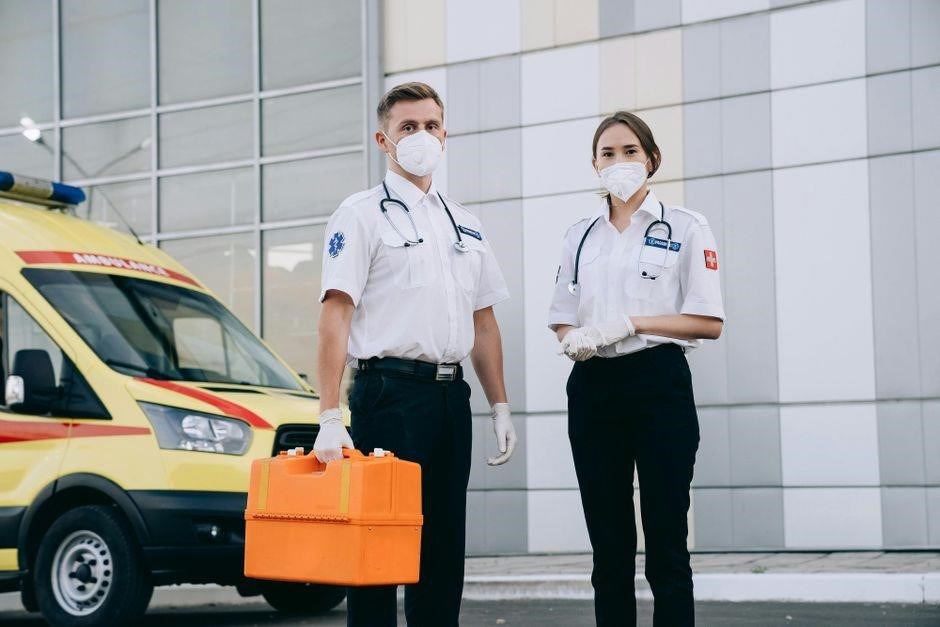
Core Components of a Manual Handling Training Program
The program blends occupational health, physical therapy, and psychosocial modules, totaling six hours. It covers ergonomic principles, patient‑centric techniques, team communication, assistive tools. Quizzes and a final assessment certify competence.
Occupational Health and Safety Principles
In manual handling training for healthcare workers, occupational health and safety principles form the foundation of risk mitigation. The curriculum emphasizes the hierarchy of controls, starting with elimination or substitution of hazardous tasks, followed by engineering controls such as mechanical lifts and patient‑transfer devices. Workers learn to assess load weight, patient mobility, and environmental factors before initiating a lift. Proper body mechanics—neutral spine, stable base, and controlled movements—are taught through interactive demonstrations and video simulations. The training also covers the importance of situational awareness, communication with patients and colleagues, and the use of personal protective equipment when necessary. Compliance with national safety regulations, such as the Work Health and Safety Act, is integrated through case studies and scenario‑based quizzes. Additionally, the program addresses the role of supervisors in enforcing safe practices, maintaining equipment, and fostering a safety culture that encourages reporting near‑misses and injuries. By embedding these principles into daily routines, healthcare facilities can reduce musculoskeletal injuries, improve patient outcomes, and promote long‑term employee well‑being.
Training includes real‑time feedback loops, supervisors monitor technique and give corrective guidance. Employees log incidents digitally, enabling trend analysis and targeted refresher sessions. The curriculum aligns with ISO 45001, ensuring continuous compliance and fostering a proactive safety mindset daily now.
Physical Therapy and Biomechanics
In the physical therapy section of a manual handling curriculum, emphasis is placed on biomechanical analysis of patient transfers, load distribution, and muscle‑safety thresholds. Participants study the mechanics of the lumbar spine, hip flexors, and lower limb joints, learning how improper posture increases shear forces and risk of strain. The training incorporates evidence‑based techniques such as the “sit‑to‑stand” lift, the “pelvic tilt” method, and the use of sliding sheets to reduce friction. Interactive modules demonstrate how to calculate safe load limits using the “weight‑distance” rule, and learners practice adjusting their stance to maintain a neutral spine. Clinical scenarios illustrate the application of these principles to patients with limited mobility, obesity, spinal deformities. Physical therapists guide staff through progressive drills that reinforce core stability, hip‑extension strength, and the use of assistive devices. By integrating real‑time motion‑analysis feedback, workers gain awareness of joint angles and torque, enabling them to modify techniques on the fly. The curriculum also covers the importance of pre‑exercise warm‑up, stretching protocols, and cooldown routines to prevent overuse injury. Through this biomechanical lens, healthcare workers develop a deeper understanding of how body mechanics influence both patient safety and occupational health outcomes, ultimately fostering a culture of movement literacy and injury prevention in clinical practice. The program also uses wearable sensors to monitor load distribution, giving instant corrective feedback.
Psychosocial Factors and Worker Well‑Being
Psychosocial training addresses stress, teamwork, communication, and mental resilience during manual handling. Workers learn to identify fatigue, emotional strain, and the impact of shift patterns on performance. The curriculum includes role‑play scenarios where staff practice de‑briefing after a difficult transfer, fostering a supportive environment. Techniques such as mindful breathing, progressive muscle relaxation, and peer‑support check‑ins are taught to reduce acute anxiety. Participants also explore organizational culture, leadership influence, and the importance of clear protocols in preventing blame. By integrating evidence from occupational psychology, the program highlights how perceived safety climate correlates with injury rates. Workers assess their own risk perception, set realistic goals, and develop coping strategies for high‑pressure situations. The training emphasizes the value of open communication, encouraging staff to report near‑misses without fear of retribution. Through group discussions, participants identify barriers to safe practice, such as time constraints or inadequate staffing, and collaboratively propose solutions. The module concludes with a self‑assessment tool that measures confidence, stress levels, and readiness to apply safe handling techniques. This holistic approach ensures that manual handling skills are supported by strong psychosocial foundations, ultimately enhancing both worker well‑being and patient care quality. Practice matters.!
Training Delivery Formats
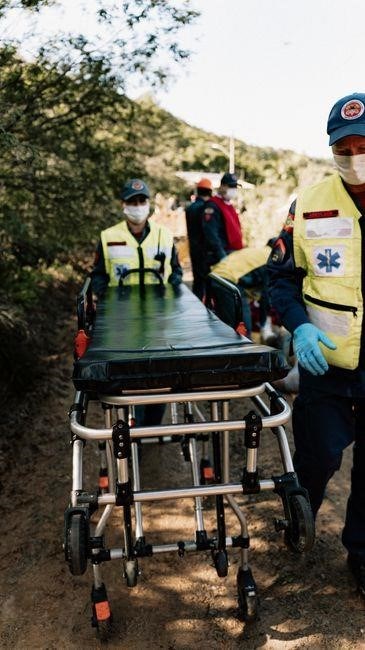
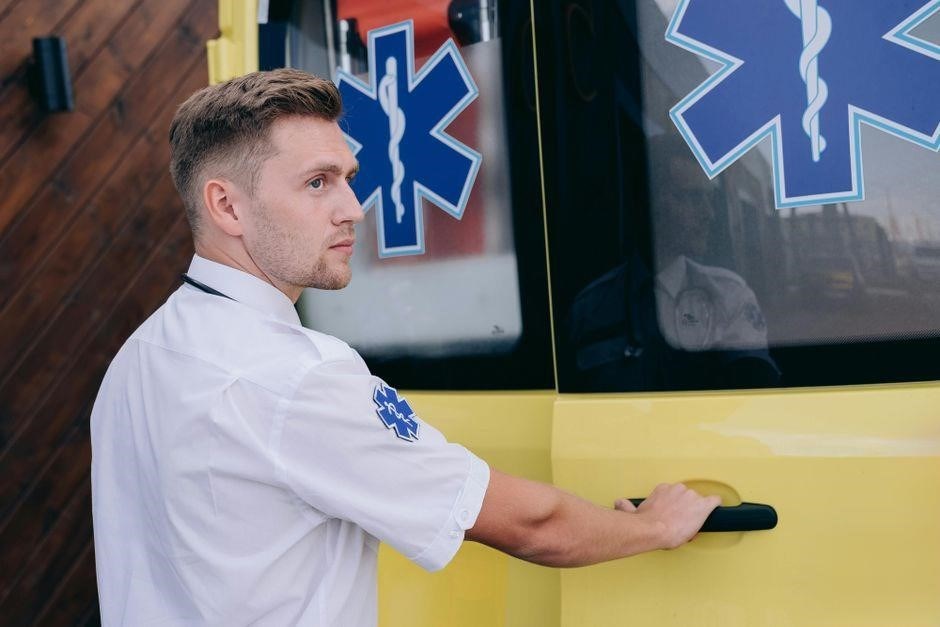
Training blends online modules, self‑assessment quizzes, and interactive videos with live demonstrations, hands‑on practice, and real‑time feedback. Flexible scheduling lets staff fit sessions into busy shifts while maintaining consistent skill levels across the workforce. Participants also get refresher videos now.
Online Modules and Self‑Assessment
Online modules deliver concise, evidence‑based content in 45‑minute segments, covering ergonomic principles, patient‑centric techniques, and interdisciplinary teamwork. Interactive videos demonstrate safe lifting, transfer, and repositioning methods, while embedded quizzes test comprehension in real time. Self‑assessment tools allow workers to record their confidence, identify skill gaps, and track progress across modules. The platform integrates compliance checks, ensuring each learner meets WHS standards before certification. Flexibility enables staff to complete training during shift breaks or off‑hours, promoting continuous learning without disrupting patient care. Immediate feedback and adaptive learning paths help reinforce correct posture, reduce musculoskeletal strain, and foster a culture of safety. The system also logs completion data for audit purposes, supporting ongoing quality improvement and workforce development initiatives. Learners also practice virtual simulations that mimic real‑world scenarios, enabling them to refine techniques before applying them to patients. Assessment rubrics score posture, balance, and communication, providing objective metrics that guide individualized training plans. Completion certificates are digitally issued, and employers can integrate the data into workforce analytics dashboards to monitor safety culture trends over time. Regular refresher modules keep skills sharp, and the platform’s analytics flag when a worker’s performance dips below threshold, prompting timely intervention. Thus, the blended approach builds compliance and confidence.
In‑Person Workshops and Hands‑On Practice
In-person workshops bring tactile learning to the forefront, allowing healthcare workers to practice patient‑centric handling techniques under real‑time supervision. Skilled instructors demonstrate proper body mechanics, use of assistive devices, and communication strategies that ensure patient safety and dignity. Trainees engage with high‑fidelity mannequins, adjustable beds, and transfer equipment, replicating the dynamic environment of a ward or operating theatre; Immediate feedback from peers and trainers corrects posture, reduces awkward leverage, and reinforces muscle memory. Small‑group settings foster collaborative problem‑solving, enabling participants to share situational insights and adapt strategies to diverse patient anatomies. Structured drills simulate common scenarios such as bed‑to‑chair transfers, wheelchair repositioning, and emergency extrication, ensuring that workers can respond confidently under pressure. The workshops also address psychosocial aspects, encouraging open dialogue about stress, fatigue, and team dynamics that influence handling performance. By integrating ergonomic assessment tools, participants learn to identify risk factors in their own workspaces and develop actionable mitigation plans. Post‑workshop debriefs consolidate learning, link theory to practice, and set measurable goals for ongoing skill refinement. Documentation of attendance and competency scores feeds into the organization’s safety management system, supporting compliance audits and continuous improvement cycles. Staff confidence.!
Assessment and Certification Process
Assessment and certification confirm that a healthcare worker can safely apply manual handling techniques. The process starts with a written test covering body mechanics, risk factors, and assistive device use. This online test allows participants to review material at their own pace before proceeding to the practical stage.
During the practical assessment, trainees perform key tasks—bed‑to‑chair transfers, wheelchair repositioning, and emergency extrication—in a simulated environment. Instructors observe each movement, checking posture, grip, equipment use, and communication with the patient. A standardized checklist records compliance; trainees must score at least 80 % to pass.
Successful completion of both written and practical components results in a certificate that aligns with national safety standards. The certificate is valid for two years, after which re‑certification ensures skills remain current. Records are stored in the organization’s HR system, enabling managers to track compliance and schedule refresher training as needed.
Certification data also supports continuous improvement. By analyzing pass rates and common errors, training programs can be refined to address emerging risks and technological advances, keeping patient handling practices at the highest safety level.
In addition, employers can integrate assessment results into annual safety reviews, ensuring that training remains aligned with evolving clinical protocols and equipment upgrades. This proactive approach reduces incident rates and promotes a culture of safety across all care settings. Stay sharp now!
Monitoring and Continuous Improvement
Continuous monitoring of manual handling practice is essential for sustaining safety gains. After certification, staff record each transfer in a digital log, noting load, patient condition, and any assistance required. Supervisors review these entries weekly, flagging patterns that indicate fatigue or improper technique. Real‑time feedback is delivered through brief on‑the‑spot coaching, reinforcing correct posture and equipment use.
Data analytics play a pivotal role. Aggregated logs feed into a dashboard that tracks incident rates, near‑misses, and training gaps. When the dashboard flags a spike in back‑pain reports, the training team revisits the biomechanics module, updating scenarios to reflect new evidence. This iterative loop ensures that lessons learned from the field directly shape curriculum content.
Moreover, annual safety audits audit compliance with the manual handling policy. Auditors examine documentation, observe live transfers, and interview staff about perceived barriers. Findings are compiled into a continuous improvement report, which feeds into the next training cycle. This cyclical approach aligns with ISO 45001 principles, embedding safety into the organizational culture.
Finally, a feedback portal allows workers to anonymously report challenges or suggest improvements. When a nurse highlights a cumbersome transfer tool, procurement can evaluate alternatives, and the training team can incorporate the new device into future modules. This collaborative keeps training relevant to frontline realities.

Case Study: Implementation in an Italian Hospital

At the University Hospital of Naples, a pilot manual handling program was rolled out to 60 healthcare workers over a single day. The curriculum was structured into three distinct modules: occupational health, physical therapy, and psychosocial support, each lasting two hours. Participants completed interactive case studies, practiced transfer techniques with mannequins, and engaged in group discussions about risk factors. The training was delivered by a multidisciplinary team comprising occupational therapists, physiotherapists, and safety officers. Immediately after the session, staff filled out a feedback questionnaire that assessed clarity, relevance, and perceived confidence in handling patients. The results showed a 42% increase in self‑reported competence and a 15% reduction in reported musculoskeletal complaints within the first month of implementation. Continuous monitoring involved weekly check‑ins where supervisors observed real‑time transfers and provided corrective guidance. A digital log captured each maneuver, allowing data analysts to identify trends and adjust the curriculum accordingly. The hospital’s leadership used these insights to allocate additional resources for assistive devices, further reducing manual handling incidents. By the end of the year, the program had become a mandatory component of onboarding for all new staff, demonstrating the scalability and impact of structured manual handling education in a high‑volume clinical environment. The initiative also incorporated a peer‑review system where experienced nurses observed and critiqued transfers, fostering a culture of continuous learning. Additionally, ergonomic equipment such as adjustable beds and transfer belts were evaluated and introduced based on staff feedback, further reducing physical strain. The program’s success was measured through a combination of quantitative injury data and qualitative staff surveys, ensuring a holistic assessment of.