Embarking on a safari guiding career blends adventure, education, and conservation, demanding dedication and qualifications like FGASA accreditation.
Safari guides act as ambassadors for Africa’s wilderness, spreading conservation messages through interactions with diverse guests worldwide;
The profession offers a unique opportunity to share a passion for wildlife while contributing to sustainable tourism practices.
The Allure of a Safari Career
The appeal of a safari career stems from a deep connection with the natural world, offering an escape from conventional work environments. Imagine spending your days immersed in the African bush, witnessing incredible wildlife encounters and sharing those experiences with others. This profession isn’t simply a job; it’s a lifestyle choice for those passionate about conservation and eager to educate.
A safari guide serves as a crucial link between visitors and the delicate ecosystems they explore. They aren’t just showing people animals; they’re fostering an understanding and appreciation for the importance of preserving these environments. The role provides constant learning opportunities, deepening knowledge of wildlife behavior, botany, and local cultures.
Furthermore, the dynamic nature of the job prevents monotony. Each safari is unique, presenting new challenges and rewarding moments. The opportunity to work in stunning locations, contribute to sustainable tourism, and inspire others makes a safari career exceptionally alluring.
The Role of a Safari Tour Guide: More Than Just a Driver
While proficient driving skills are essential, a safari tour guide’s role extends far beyond simply transporting guests. They are knowledgeable naturalists, skilled educators, and attentive hosts, responsible for crafting unforgettable safari experiences. A guide must possess a comprehensive understanding of wildlife identification, animal behavior, and the intricate ecosystems they navigate.
Crucially, they interpret the bush for their clients, sharing fascinating insights into the flora, fauna, and geological formations. Ensuring client safety and security is paramount, requiring vigilance and proactive risk management. Guides also handle logistical aspects, including itinerary planning and vehicle maintenance.
Moreover, a successful guide fosters cultural sensitivity, interacting respectfully with local communities. They are storytellers, bringing the safari to life with engaging narratives and a passion for conservation, ultimately acting as ambassadors for the African wilderness.
Essential Qualifications and Certifications
Becoming a qualified safari guide requires dedication, specific qualifications, and a deep understanding of wildlife and conservation principles, like FGASA accreditation.
Certifications such as KPSGA are often necessary, alongside first aid and CPR training, and appropriate driver’s licenses.
FGASA Accreditation: The Industry Standard
FGASA (Field Guides Association of Southern Africa) accreditation is widely recognized as the gold standard for safari guides in Southern Africa, and increasingly, beyond. Achieving FGASA certification demonstrates a commitment to professional guiding standards and a comprehensive understanding of the natural environment.
The accreditation process involves rigorous training and assessment, covering aspects like wildlife identification, animal behavior, ecology, guiding techniques, and client safety. Different levels of FGASA qualifications exist, ranging from introductory courses to highly specialized guiding certifications, such as Track & Sign and Specialist Guide qualifications.
Operators frequently prioritize candidates with FGASA accreditation, viewing it as a guarantee of competence and professionalism. It signifies that a guide possesses the necessary skills to deliver a high-quality safari experience, ensuring both guest satisfaction and responsible wildlife interactions. Successfully completing FGASA training is a significant investment, but one that substantially enhances career prospects within the safari industry.
KPSGA Certification: Kenyan Specifics
The Kenya Professional Safari Guides Association (KPSGA) provides the primary accreditation for safari guides operating within Kenya. While FGASA is respected, KPSGA certification is often a mandatory requirement for guiding in Kenyan national parks and reserves, reflecting local regulations and standards.
KPSGA offers various levels of certification – Bronze, Silver, and Gold – each demanding increasing levels of experience, knowledge, and guiding proficiency. The Bronze level is typically an entry point, while Silver and Gold represent significant expertise and years of practical guiding experience. Recruitment notices frequently specify a preference for Silver-certified guides.
The certification process includes theoretical examinations, practical guiding assessments, and a focus on Kenyan wildlife, ecosystems, and cultural heritage. Guides must demonstrate a strong understanding of local conservation issues and responsible tourism practices. Holding a valid KPSGA certification significantly enhances a guide’s credibility and employment opportunities within Kenya’s thriving safari industry;
First Aid and CPR Certification: Safety First
Ensuring client safety is paramount for any safari tour guide, making First Aid and Cardiopulmonary Resuscitation (CPR) certification absolutely essential. Safaris often occur in remote locations with limited access to medical facilities, meaning guides must be prepared to handle emergencies independently.
A comprehensive First Aid course should cover wound management, fracture immobilization, treatment of common illnesses, snakebite protocols, and managing allergic reactions. CPR training equips guides to respond effectively to cardiac arrest or respiratory distress until professional medical help arrives.
Reputable organizations offer internationally recognized certifications, and it’s crucial to maintain current certification through regular refresher courses. Employers frequently mandate valid First Aid/CPR certification as a prerequisite for employment, demonstrating a commitment to responsible tourism and client wellbeing. This skill set isn’t just a qualification; it’s a vital responsibility for anyone leading safaris.
Driver’s License Requirements: Specific Vehicle Classes
Safari tour guides are frequently responsible for operating specialized vehicles, necessitating specific driver’s license classifications beyond a standard passenger vehicle license. The required license class depends on the vehicle’s weight and passenger capacity.
Typically, a professional driver’s license (often a Class D or equivalent, varying by country) is a minimum requirement. For larger safari vehicles, such as those carrying numerous passengers or equipped for off-road terrain, a heavier vehicle license (Class C or higher) may be mandatory.
Furthermore, some regions may require a Public Service Vehicle (PSV) license, authorizing the driver to transport passengers for hire. Guides must also possess a valid international driving permit if operating in countries different from their license origin. Employers will verify license validity and ensure compliance with local traffic regulations, prioritizing safety and legal operation.
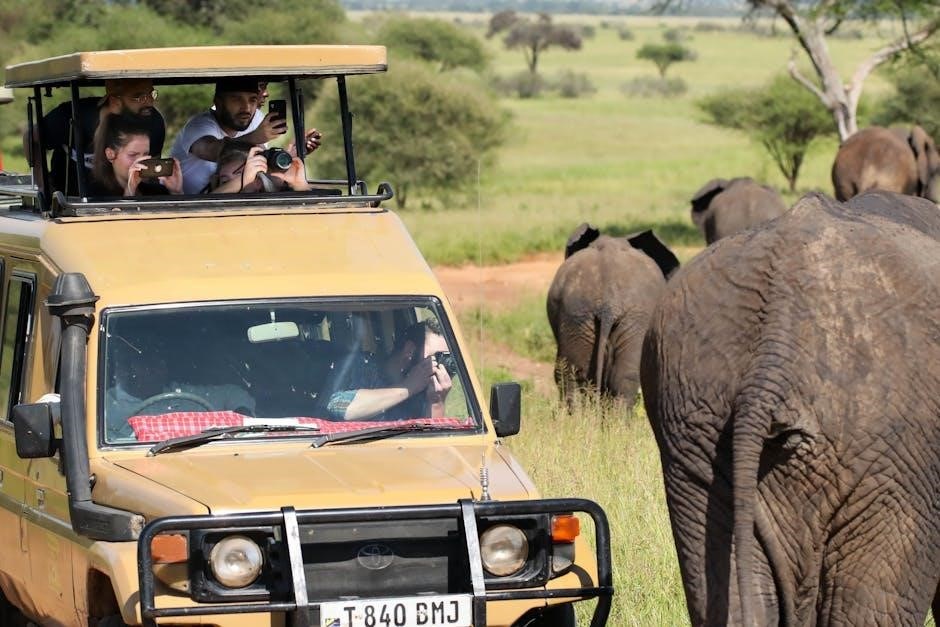
Skills and Attributes of a Successful Safari Guide
Successful guides demonstrate wildlife knowledge, bird identification skills, and excellent communication, engaging guests through storytelling and adaptability.
Problem-solving and interpersonal skills are crucial for handling unexpected situations and fostering positive client experiences.
Wildlife Knowledge: Identification and Behavior
A foundational skill for any safari tour guide is a comprehensive understanding of African wildlife. This extends far beyond simply recognizing the “Big Five” – lion, leopard, elephant, rhino, and buffalo. Guides must be proficient in identifying a vast array of mammals, reptiles, amphibians, and insects commonly encountered on safari.
However, identification is only the first step. Equally important is a deep knowledge of animal behavior. Understanding how animals interact with their environment, their social structures, feeding habits, and breeding patterns allows a guide to predict movements, enhance viewing opportunities, and provide insightful commentary to guests.
Guides need to interpret animal signs – tracks, scat, rubbings – to locate and understand wildlife even when animals are not directly visible. This knowledge also contributes significantly to client safety, enabling guides to anticipate potential hazards and maintain a safe distance from potentially dangerous animals. Continual learning and staying updated on current research are vital for maintaining expertise.
Bird Identification Skills: A Growing Demand
Increasingly, bird identification is becoming a highly sought-after skill for safari tour guides. While traditionally focused on mammals, many tourists now specifically request bird-focused safaris or express a keen interest in avian life. Africa boasts an incredibly diverse bird population, and a guide’s ability to identify species by sight and sound significantly enhances the safari experience.
Proficiency extends beyond simply naming birds; it involves understanding their habitats, behaviors, and ecological roles. Guides should be able to differentiate between similar-looking species, recognize various calls and songs, and explain the significance of birdlife within the ecosystem.
This skill demonstrates a broader understanding of the natural world and caters to a growing niche market. Guides with strong ornithological knowledge often receive higher ratings and attract repeat clients. Dedicated birding courses and self-study are essential for developing and maintaining this valuable expertise.
Interpersonal and Communication Skills: Guest Engagement
Exceptional interpersonal and communication skills are paramount for a successful safari tour guide. Beyond wildlife knowledge, the ability to connect with guests from diverse backgrounds is crucial. Guides must be approachable, patient, and attentive to individual needs and interests, fostering a welcoming and inclusive atmosphere.
Effective communication involves clear and concise explanations, active listening, and the ability to adapt communication style to different audiences. This includes tailoring information to varying levels of knowledge and responding thoughtfully to questions. A friendly demeanor and genuine enthusiasm are essential for building rapport.
Strong communication also encompasses conflict resolution and the ability to handle challenging situations with diplomacy and professionalism. Ultimately, a guide’s interpersonal skills directly impact guest satisfaction and create memorable safari experiences.
Storytelling and Interpretation: Bringing the Safari to Life
A truly exceptional safari guide transcends simply identifying wildlife; they weave compelling narratives that bring the African bush to life. Storytelling transforms observations into immersive experiences, connecting guests emotionally to the environment and its inhabitants.
Interpretation involves explaining the intricate relationships within the ecosystem – the predator-prey dynamics, symbiotic partnerships, and the impact of environmental factors. Guides should share insights into animal behavior, local folklore, and the cultural significance of the landscape.

Effective storytelling requires a blend of factual knowledge, engaging delivery, and a passion for the subject matter. By sharing anecdotes, historical context, and scientific discoveries, guides elevate the safari from a sightseeing trip to a profound learning experience, fostering a deeper appreciation for conservation.
Problem-Solving and Adaptability: Handling Unexpected Situations
Safari guiding demands more than just wildlife knowledge; it requires a calm demeanor and resourceful problem-solving skills. The African bush is unpredictable, and guides must be prepared to handle a wide range of unexpected situations, from vehicle breakdowns in remote locations to sudden changes in weather patterns.
Adaptability is crucial. Itineraries may need adjusting due to animal movements, road conditions, or client needs. A skilled guide can seamlessly modify plans while ensuring client safety and satisfaction. This includes navigating challenging terrain, managing wildlife encounters responsibly, and responding effectively to medical emergencies.
Proactive thinking and quick decision-making are essential. Guides must assess risks, implement solutions, and maintain a positive attitude, even under pressure. Their ability to remain composed and resourceful directly impacts the overall safari experience.

Safari Tour Guide Responsibilities
Safari guides plan itineraries, prioritize client safety, maintain vehicles, lead wildlife viewings with etiquette, and foster cultural sensitivity during local interactions.
They educate guests about wildlife and ensure a memorable, responsible safari experience, embodying conservation principles.
Itinerary Planning and Logistics
A crucial responsibility of a safari tour guide is meticulous itinerary planning. This extends far beyond simply charting a route between lodges and parks. It involves a deep understanding of seasonal wildlife movements, optimal viewing times, and the logistical challenges presented by remote locations.
Guides must consider client preferences, tailoring the experience to their interests – whether focused on birding, big cat sightings, or cultural encounters; Booking accommodations, arranging transportation (including 4×4 vehicles and potentially light aircraft), and securing necessary permits all fall under this umbrella.
Effective logistics management includes anticipating potential issues like road conditions, weather changes, and vehicle maintenance needs. A skilled guide proactively addresses these challenges, ensuring a smooth and enjoyable journey for their clients. They also coordinate with camp staff and local communities to facilitate a seamless experience, demonstrating organizational prowess and attention to detail.
Ensuring Client Safety and Security
Paramount to a safari tour guide’s role is the unwavering commitment to client safety and security. This encompasses a broad spectrum of responsibilities, starting with comprehensive pre-trip briefings covering potential hazards – from wildlife encounters to environmental risks.
Guides are trained to assess and mitigate risks throughout the safari, maintaining situational awareness and adhering to strict safety protocols. This includes establishing safe distances from animals, understanding animal behavior, and implementing emergency procedures.
First aid and CPR certification are essential, enabling guides to respond effectively to medical emergencies in remote locations. They must also be adept at handling security concerns, such as preventing theft or navigating potentially unstable areas. Proactive communication with clients, clear instructions, and a calm demeanor are vital in fostering a secure and reassuring environment throughout the safari experience.
Vehicle Maintenance and Basic Repairs
A crucial, often underestimated, aspect of a safari guide’s skillset is proficiency in vehicle maintenance and basic repairs. Safaris frequently venture into remote areas where immediate mechanical assistance is unavailable, demanding self-reliance.
Guides must be capable of performing routine checks – tire pressure, fluid levels, and overall vehicle condition – before, during, and after each excursion. They should also be equipped to handle common issues like flat tires, minor engine problems, and battery jump-starts.
Understanding the vehicle’s mechanics, carrying essential tools and spare parts, and knowing how to troubleshoot effectively are vital. While not expected to be full-fledged mechanics, a safari guide’s ability to perform basic repairs can prevent delays, ensure client safety, and maintain the smooth operation of the safari. This proactive approach demonstrates professionalism and preparedness.
Wildlife Viewing Techniques and Etiquette
Effective wildlife viewing isn’t simply about spotting animals; it’s about enhancing the experience for guests while minimizing disturbance to the environment. A skilled safari guide employs techniques honed through experience and knowledge of animal behavior.
This includes understanding optimal viewing times, utilizing terrain features for concealment, and interpreting animal signs – tracks, scat, and vocalizations. Equally important is adhering to strict etiquette guidelines.
Guides must enforce rules regarding noise levels, vehicle proximity to animals, and the prohibition of feeding wildlife. They educate guests on responsible tourism practices, emphasizing the importance of respecting the animals’ natural habitat and avoiding any actions that could cause stress or alter their behavior. Maintaining a safe distance and promoting a non-intrusive approach are paramount.
Cultural Sensitivity and Local Community Interaction
A successful safari guide recognizes the safari experience extends beyond wildlife; it encompasses the rich cultural tapestry of the region. Demonstrating cultural sensitivity is paramount, requiring respect for local customs, traditions, and beliefs.
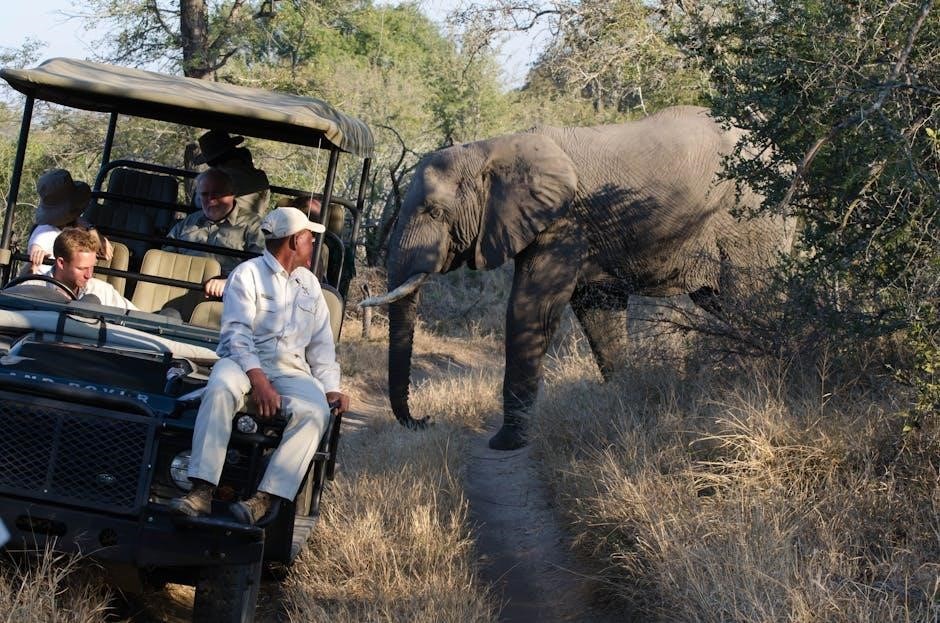
Guides should be knowledgeable about the communities surrounding safari areas, understanding their history, livelihoods, and social structures. Responsible interaction involves seeking permission before photographing people, respecting personal space, and avoiding behaviors that could be perceived as disrespectful.
Furthermore, supporting local communities through ethical tourism practices is crucial. This might include visiting local villages, purchasing handicrafts directly from artisans, and promoting community-based tourism initiatives. A guide acts as a bridge, fostering positive relationships and ensuring the benefits of tourism are shared equitably.
Finding Safari Tour Guide Jobs
Opportunities exist with established tour operators, private conservancies, and lodges; freelance guiding is also possible, offering flexibility but requiring self-promotion and networking.
Building relationships within the industry is key to securing positions and staying informed about available roles.
Working with Established Tour Operators
Securing a position with a reputable tour operator often represents the most stable path for aspiring safari guides. These companies typically provide comprehensive training, ongoing professional development, and a consistent flow of clients, reducing the pressures of independent marketing.
Benefits frequently include a salary, accommodation, meals, and transport, significantly easing the financial burdens associated with the profession. Established operators also handle logistical complexities like itinerary planning, vehicle maintenance, and client communication, allowing guides to focus on delivering exceptional safari experiences.
However, competition for these roles can be fierce, often requiring substantial experience and advanced certifications like FGASA or KPSGA. Guides may also need to be flexible regarding location, as assignments can involve relocation to various camps and reserves. Successfully navigating this route demands a proactive approach to networking and a commitment to upholding the operator’s standards of service and conservation ethics.
Opportunities in Private Conservancies and Lodges
Private conservancies and lodges present compelling alternatives to traditional tour operator employment for safari guides. These establishments often prioritize personalized guest experiences and immersive wildlife encounters, fostering a more intimate guiding environment.
Positions within these settings frequently involve leading specialized activities like walking safaris, night drives, or birding excursions, demanding a diverse skillset and in-depth knowledge of the local ecosystem. Lodges often offer competitive packages, including accommodation, meals, and potential performance-based bonuses;
However, opportunities may be limited compared to larger tour operators, and guides may be expected to contribute to broader lodge operations beyond guiding duties. Building strong relationships with conservancy management and demonstrating a commitment to community engagement are crucial for success. These roles often require adaptability and a willingness to embrace a more holistic approach to safari tourism.
Freelance Safari Guiding: Pros and Cons
Embarking on a freelance safari guiding career offers significant autonomy and the potential for higher earnings, allowing guides to set their own rates and choose their preferred locations and clientele. This path appeals to those seeking flexibility and control over their work schedule.
However, freelancing demands strong self-discipline, marketing skills, and financial management. Securing consistent bookings requires proactive networking, building a strong reputation, and potentially collaborating with tour operators on a commission basis.
Crucially, freelancers are responsible for their own insurance, vehicle maintenance, and administrative tasks. Income can be unpredictable, particularly during the off-season. Success hinges on establishing a reliable client base and delivering exceptional service consistently. While rewarding, freelance guiding requires entrepreneurial spirit and a willingness to navigate the challenges of self-employment.
Networking and Building Relationships
Establishing a robust network is paramount for aspiring and established safari tour guides. Cultivating relationships with tour operators, lodge managers, and fellow guides opens doors to opportunities and valuable insights within the industry.
Attending industry events, workshops, and conservation conferences provides platforms for meeting key players and showcasing your expertise. Proactive communication and a genuine interest in others’ work foster lasting connections.
Leveraging social media platforms, particularly those focused on wildlife and tourism, can expand your reach and build your professional brand. Positive word-of-mouth referrals, stemming from strong client relationships, are invaluable. Remember, the safari industry thrives on trust and reputation; nurturing these aspects is crucial for long-term success and career advancement.

The Future of Safari Guiding
Sustainable tourism and conservation education are increasingly vital, alongside technological advancements, shaping the future of safari guiding.
Guides will be crucial in promoting responsible travel and fostering a deeper appreciation for Africa’s wildlife.
Sustainable Tourism Practices
Safari tour guides are now at the forefront of promoting responsible and ethical tourism within African ecosystems. This involves minimizing the environmental impact of tours, respecting local cultures, and contributing to wildlife conservation efforts.
Guides educate guests on the importance of reducing waste, conserving water, and avoiding disturbance to animals and their habitats. They advocate for supporting local communities through fair trade practices and responsible sourcing of goods and services.
Furthermore, sustainable guiding emphasizes the need to educate visitors about the challenges facing wildlife, such as poaching and habitat loss, inspiring them to become advocates for conservation. Guides actively participate in monitoring wildlife populations and reporting any illegal activities.
By embracing sustainable practices, safari guides ensure that the benefits of tourism are shared equitably, preserving Africa’s natural heritage for future generations and fostering a harmonious relationship between humans and wildlife.
The Importance of Conservation Education
Safari tour guides play a pivotal role in conservation education, acting as vital links between visitors and the delicate ecosystems they explore. They transform sightseeing trips into immersive learning experiences, fostering a deeper understanding and appreciation for Africa’s wildlife and natural resources.
Guides share knowledge about animal behavior, ecological relationships, and the threats facing biodiversity, such as poaching, habitat loss, and climate change. They explain the importance of conservation efforts and the role individuals can play in protecting these vulnerable environments.
Effective conservation education inspires guests to become advocates for wildlife, supporting organizations and initiatives dedicated to preservation. By connecting people with nature on an emotional level, guides cultivate a sense of responsibility and stewardship.
Ultimately, a well-informed and engaged public is crucial for the long-term success of conservation initiatives, and safari guides are instrumental in building this awareness and driving positive change.
Technological Advancements in Safari Guiding
Modern safari guiding is increasingly integrating technology to enhance both the guest experience and conservation efforts. While traditional skills remain paramount, digital tools are becoming indispensable for effective guiding.
GPS devices and mapping software aid in navigation and wildlife tracking, allowing guides to locate animals efficiently and share real-time sightings with guests. Digital cameras and binoculars with image stabilization capture stunning photos and videos, enriching the safari memories.
Furthermore, apps and online databases provide instant access to information on flora, fauna, and local cultures, supplementing the guide’s knowledge. Electronic tablets can be used for interactive presentations and data collection for research purposes.
However, it’s crucial to balance technology with the authentic safari experience, ensuring it complements rather than detracts from the natural environment and personal interactions.